International executive chef

Rick Bartram

ChefConsultantAuthorFood historian

Three decades in luxury hotel kitchens across Europe, the Americas and Asia. Rick now advises hotels, restaurants and cruise operators on food cost control, food safety, openings and menus, and writes about the history of what we eat.

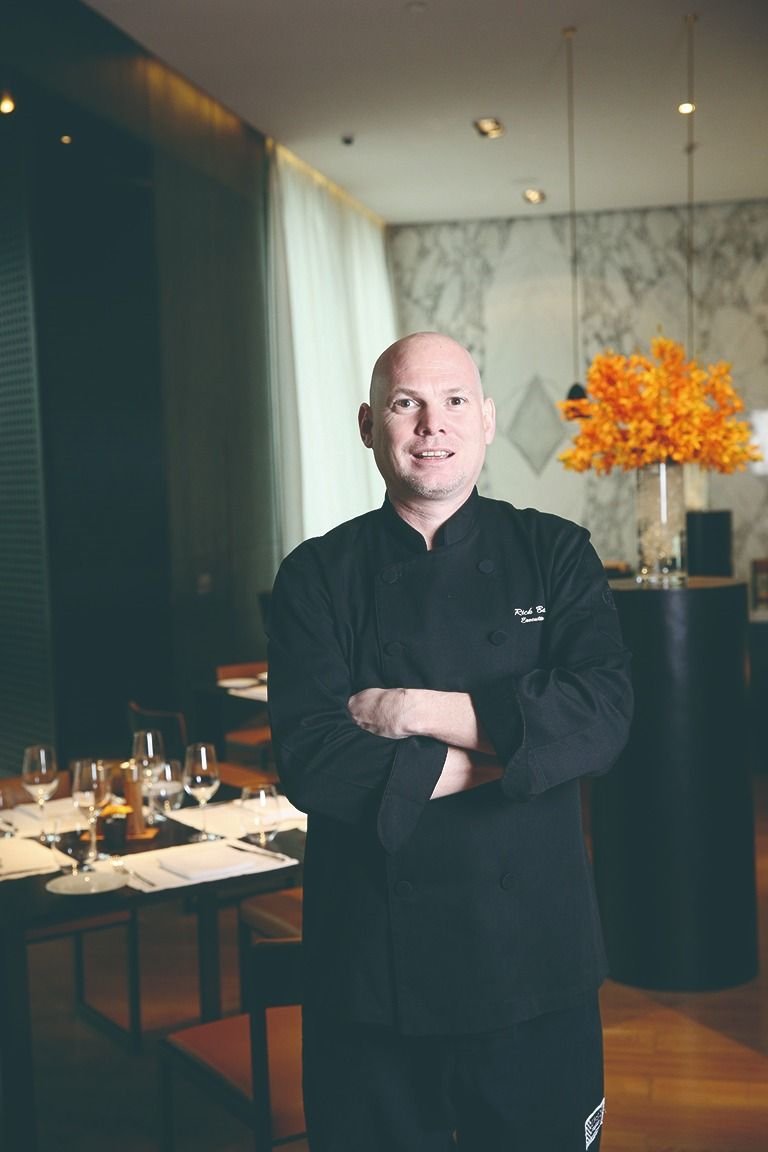
Chef Rick Bartram in chef's whites
  • 4continents of executive chef leadership
  • 151largest culinary team led, Viking Ocean Cruises
  • 2,000guests at a single banquet, The Empire Brunei
  • 2hotels taken from pre-opening to launch in China
Consulting

Kitchen expertise, available by project

Practical, hands-on support from a chef who has run the numbers, passed the audits and opened the doors. Engagements range from a single site visit to a full pre-opening programme.

Food cost control

Bring food cost of sales back to budget without cutting what the guest sees on the plate.

  • Costed standard recipes and pictorial specs
  • Yield testing, portion control and waste audits
  • Purchasing, receiving and stock controls
  • Menu pricing and margin analysis

HACCP and food safety

Food safety systems that hold up to inspection and work on a busy shift.

  • HACCP plans and food safety management systems
  • Pre-audit inspections and corrective action plans
  • Supplier audits and allergen controls
  • USPH experience for cruise galleys

New openings

Pre-opening culinary leadership, from concept and kitchen layout to the first service.

  • Outlet concepts and kitchen design review
  • Equipment, supplier and smallwares plans
  • Recruitment, onboarding and training
  • Opening budgets and soft-launch programmes

Menu development

Menus built around local produce, the guest and a profitable margin.

  • All-day dining, fine dining and banqueting menus
  • Menu engineering and recipe costing
  • Room service, club lounge and amenity programmes
  • Chef training on new dishes

Mystery shopping

An experienced chef's eye on the guest experience, reported honestly and in detail.

  • Anonymous dining visits for restaurants and hotels
  • Food quality, consistency and presentation scoring
  • Service, hygiene and value observations
  • Written report with prioritised recommendations

Kitchen operations and teams

Restructure kitchens and brigades so they run efficiently and keep improving.

  • Workflow and kitchen layout improvements
  • Brigade structure and labour cost planning
  • Hands-on training and cooking classes
  • Senior chef recruitment
How it works

A clear engagement

  1. ConversationA call to understand the property, the problem and the budget.
  2. AssessmentOn-site review of kitchens, costs, records and menus.
  3. PlanA written report with priorities, targets and a timeline.
  4. ImplementationHands-on work with your team, then a handover they can sustain.
Experience

Luxury hotels, resorts and ships

Executive committee roles with Mandarin Oriental, InterContinental, Four Seasons and Viking, responsible for every kitchen, outlet and budget on property.

  1. Viking Ocean Cruises

    Executive Chef

    Led a galley team of 151 feeding 900+ guests and 465 crew, to USPH standards and within budget.

  2. The Ocean Club, A Four Seasons Resort, Bahamas

    Executive Chef

    All kitchens, including Jean-Georges' Dune, room service and banqueting. Introduced pictorial costed recipes and resort-wide HACCP standards.

  3. The Empire Brunei

    Executive Chef, Executive Committee

    Team of 110 across eight outlets, banquets for up to 2,000 and in-room dining for 522 rooms, 52 suites and 16 villas. Redesigned kitchens and beat the food cost budget.

  4. InterContinental Beijing Sanlitun

    Executive Chef

    Team of 106 and three restaurants, including Char, recognised by Michelin and Black Pearl.

  5. InterContinental Shanghai NECC

    Pre-opening Executive Chef, Executive Committee

    Built and led a team of 135 for a 538-room convention hotel, from strategic planning through opening.

  6. PuYu Hotel & Spa, Wuhan

    Pre-opening Executive Chef, Urban Resort Concepts

    Opened three restaurants and banqueting with a team of 91, costing menus for local guests.

  7. Mandarin Oriental Hotel Group

    Executive Chef, San Francisco · Executive Chef, Elbow Beach, Bermuda · Sous Chef, Hyde Park, London

    Eleven years with the group, with cross-training in Hong Kong, Munich and Bangkok.

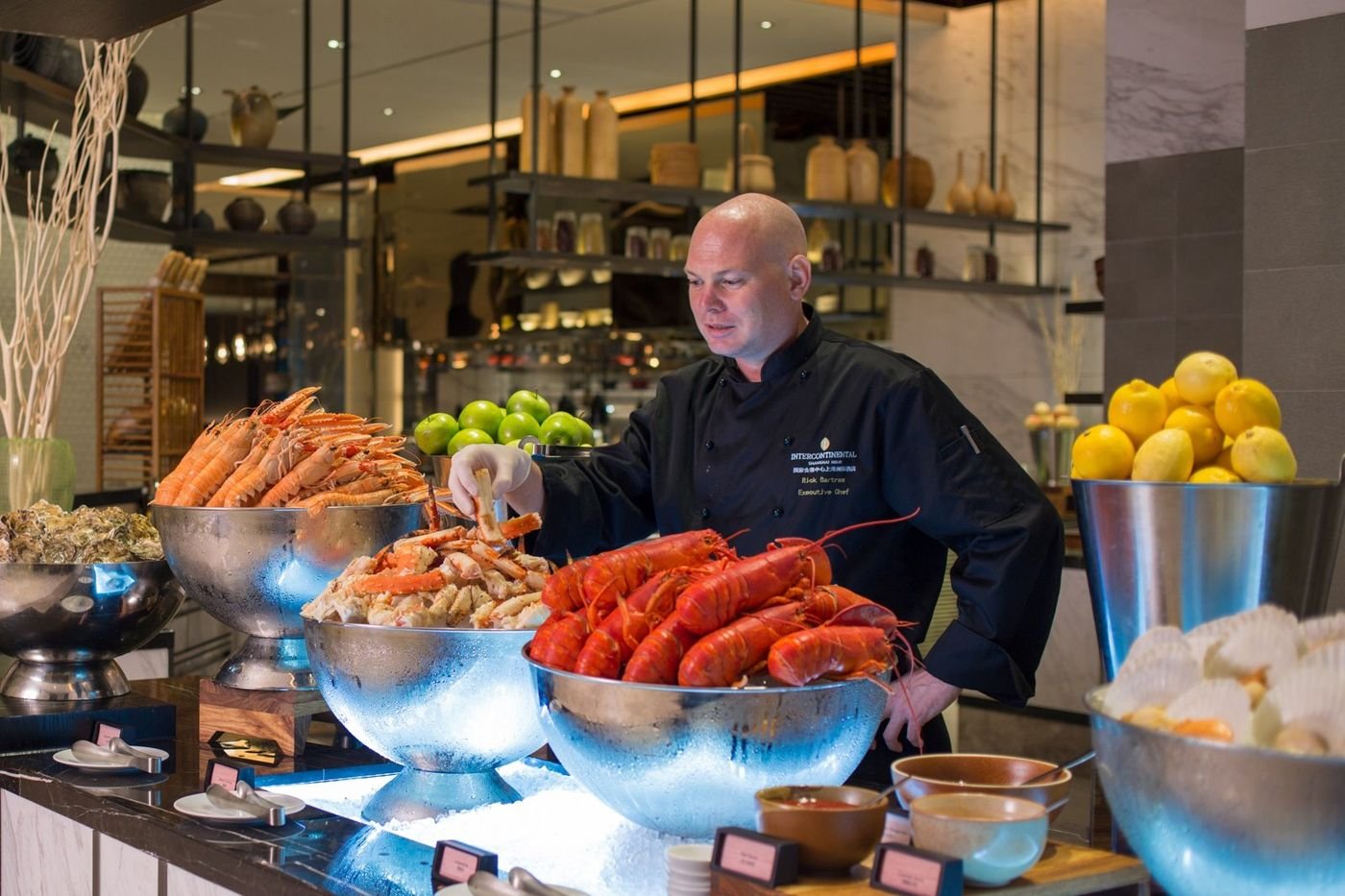
Rick Bartram at a hotel seafood buffet

Qualifications

  • City & Guilds 706/2 and 706/3Westminster College, London
  • Food Hygiene CertificateRoyal Institute of Public Health
  • Health and Safety CertificateChartered Institute of Environmental Health
  • Foley School of FishBoston
  • STCW maritime safety certification
  • LanguagesEnglish (native), Spanish (proficient)
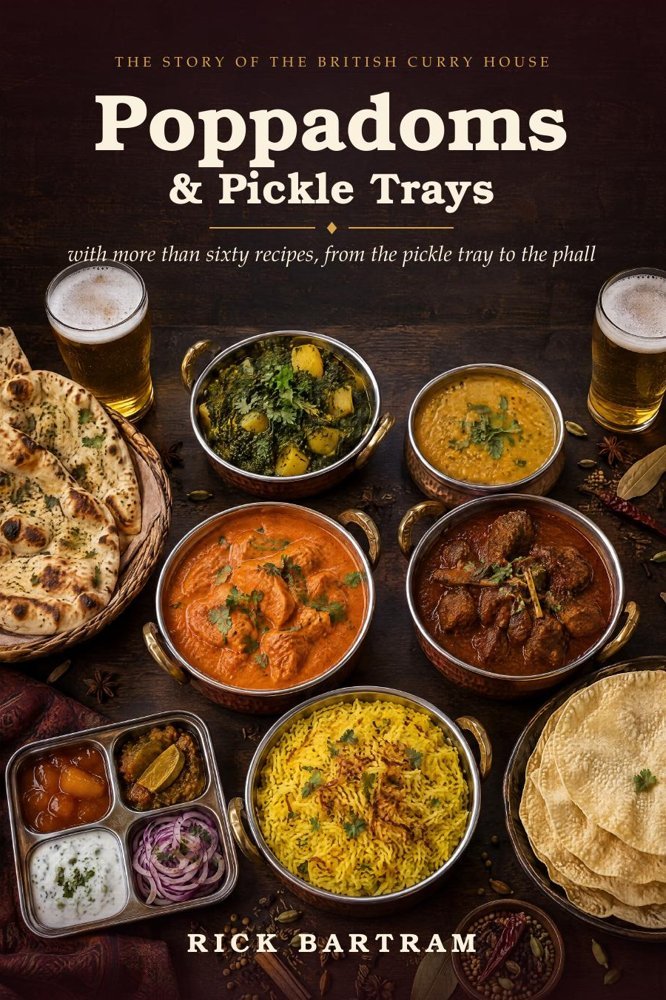
Cover of Poppadoms & Pickle Trays
The British curry house

Poppadoms & Pickle Trays

The Story of the British Curry House, with More Than Sixty Recipes

Flock wallpaper, white linen, a stack of poppadoms and a menu that ran from the mildest korma to the fearsome phall. This book follows the curry house from the first Indian coffee house in Georgian London, through the Sylheti seamen and cooks who built the trade, to Brick Lane, Manchester's Curry Mile and the Balti Triangle.

Part Two opens the kitchen door: the base gravy, the spice mix and the service method that let a small team send out dozens of different curries in minutes. Then come the recipes, from the pickle tray and onion bhajis to tikka masala, jalfrezi, biryani, naan and kulfi.

Out now in paperback
126 pagesFull colour6 × 9 in13 chapters
Buy on Amazon
Sample recipes
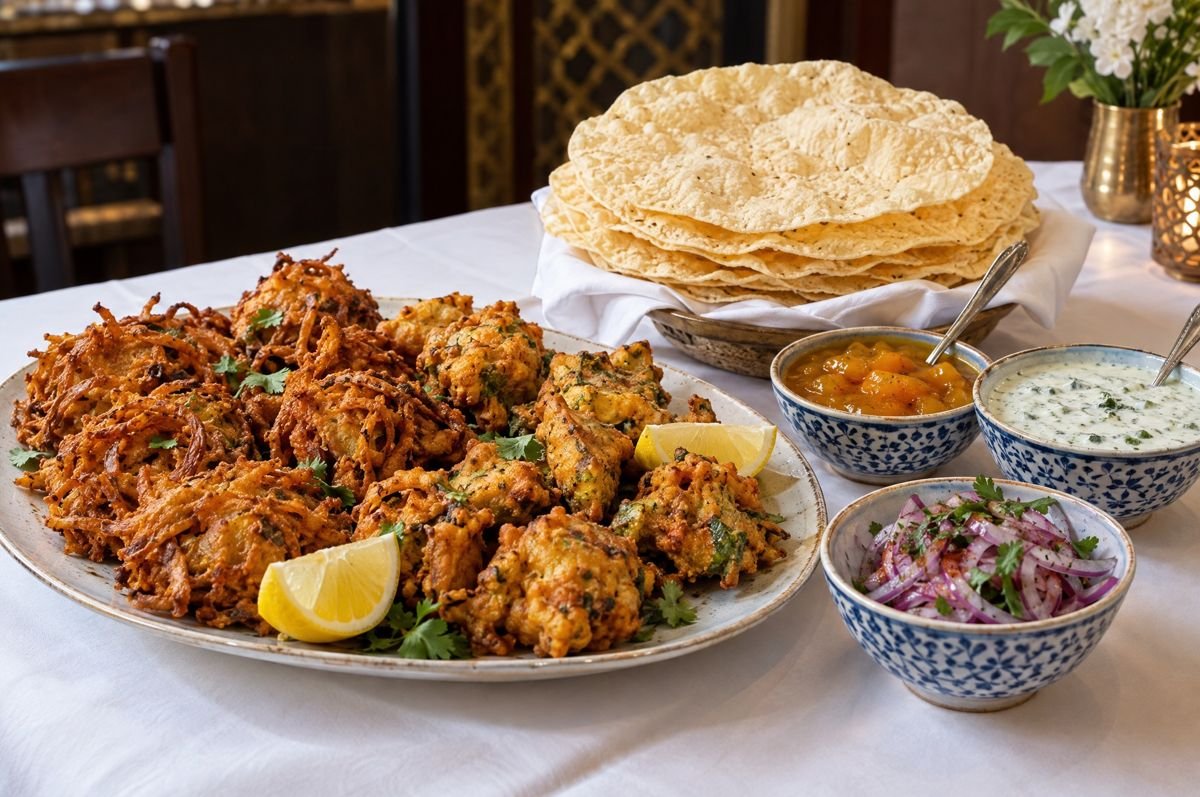
Onion bhajis

Onion Bhaji

Serves 4 · Prep 15 min · Cook 12 min · Mild

Read the recipe

A crisp, irregular onion fritter became a curry-house staple because it is inexpensive, quick to portion and ideal for sharing.

Ingredients
  • 300 g (10½ oz) onions, very thinly sliced
  • 120 g (4¼ oz) gram flour (chickpea flour)
  • 1 tsp ground cumin
  • 1 tsp ground coriander
  • ½ tsp turmeric
  • ½ tsp chilli powder
  • 1 tsp baking powder
  • 1 tsp salt
  • 80–100 ml (2¾–3½ fl oz) water, as needed
  • 2 tbsp chopped fresh coriander
  • Neutral vegetable oil, for deep-frying
Method
  1. Separate the onion slices into a bowl. Add the gram flour, spices, baking powder, salt and coriander.
  2. Add the water a little at a time, mixing with your hands. The mixture should cling to the onions rather than form a pourable batter.
  3. Heat the oil to 175°C (350°F). Drop in rough walnut-sized clusters and fry in batches for 3–4 minutes, turning once, until deep golden and crisp.
  4. Drain on a rack or kitchen paper and serve immediately.

Cook's note. Let the onions sit in the mixture for a minute or two before frying so their moisture starts to hydrate the flour. Don't crowd the pan: a crowded fryer loses heat and makes greasy bhajis. Serve with mint sauce, tamarind chutney or the pickle tray.

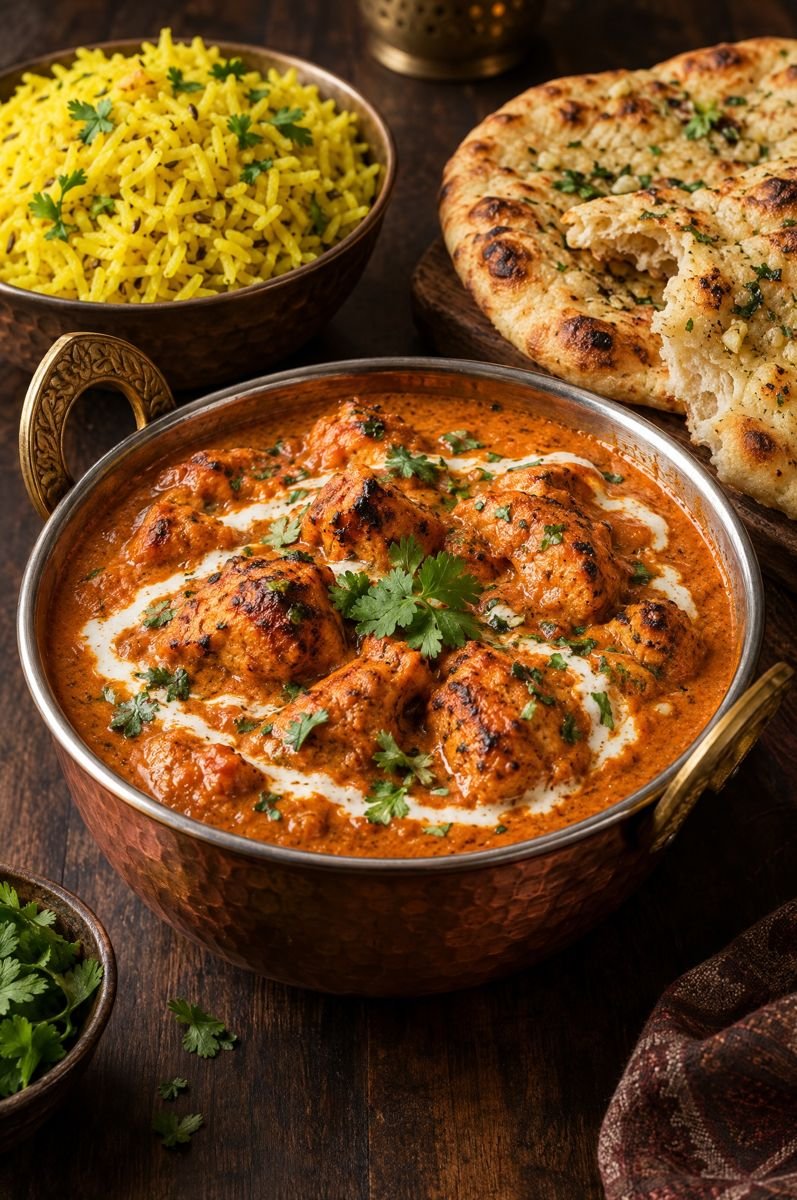
Chicken tikka masala

Chicken Tikka Masala

Serves 4 · Prep 15 min · Cook 12 min · Mild

Read the recipe

One of Britain's most famous hybrid dishes. Glasgow's Shish Mahal and several other restaurants claim to have invented it. This is the creamy tomato version most curry-house diners know.

Ingredients
  • 2 tbsp ghee or butter
  • 1 tbsp ginger-garlic paste
  • 2 tbsp tomato purée
  • 1 tsp paprika
  • 1 tsp curry-house spice mix
  • 1 tsp ground cumin
  • 1 tsp sugar
  • 500 ml (17 fl oz) curry-house base gravy
  • 600 g (1 lb 5 oz) cooked chicken tikka pieces
  • 100 ml (3½ fl oz) double cream
  • 1 tsp dried fenugreek leaves, crushed
  • 1 tbsp chopped coriander
Method
  1. Heat the ghee and fry the ginger-garlic paste for 30 seconds. Add the tomato purée and cook for 1 minute.
  2. Add the paprika, spice mix, cumin and sugar and fry for 20 seconds.
  3. Add the base gravy and simmer briskly for 5 minutes.
  4. Add the chicken tikka and simmer for 3–4 minutes.
  5. Lower the heat, stir in the cream and fenugreek, then finish with coriander.

From the book. The base gravy, spice mix, ginger-garlic paste and tandoor-style chicken tikka each have their own recipe in Part Two of the book.

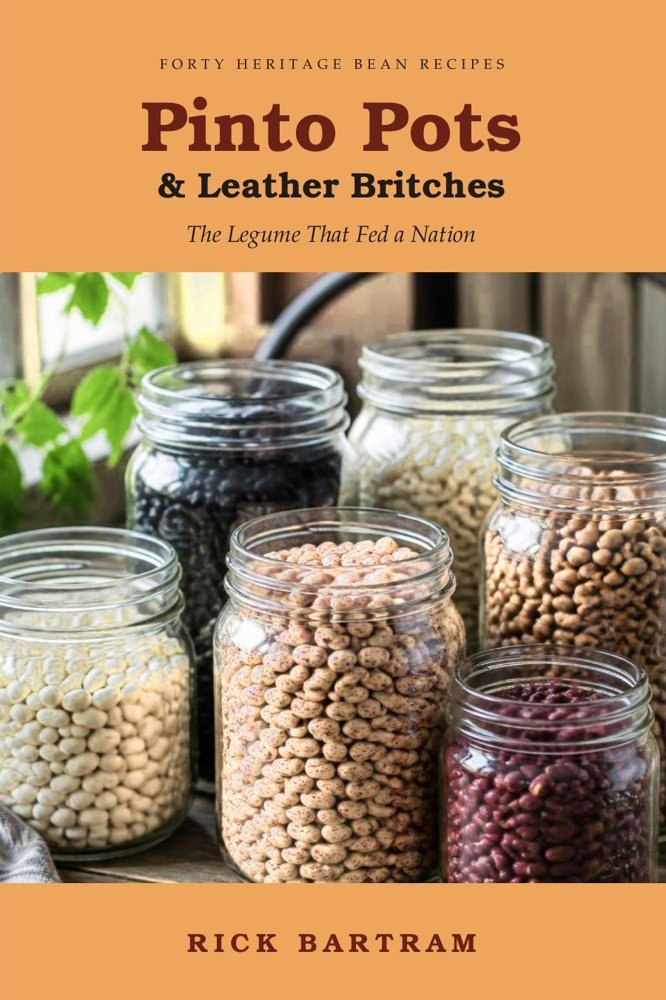
Cover of Pinto Pots & Leather Britches
American heritage beans

Pinto Pots & Leather Britches

The Legume That Fed a Nation

When the wagons rolled west they carried sacks of dried pintos, navies and great northerns. When the Great Depression emptied pantries, beans stood between families and hunger. In the Appalachian hollers, green beans strung on thread and dried into "leather britches" carried households through the winter.

Forty recipes in four chapters follow the bean from the Capitol's famous soup to the Southern pot, the chuckwagon and the Depression-era scrap-box kitchen.

Out now in paperback
82 pagesFull colour6 × 9 in4 chapters
Buy on Amazon
Sample recipes
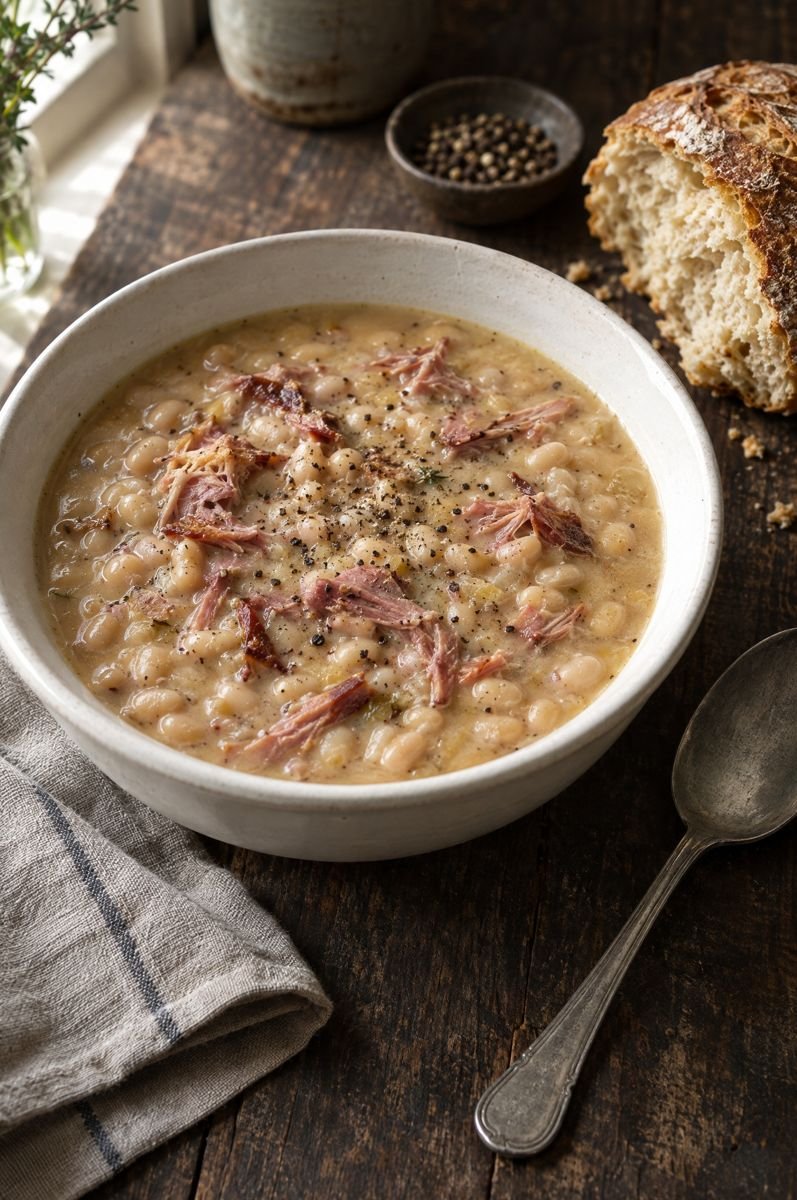
Senate bean soup

Senate Bean Soup

Serves 8 · Prep 15 min + overnight soak · Cook 2¼ hr

Read the recipe

Bean soup has been on the menu of the U.S. Senate restaurant every day for more than a century. This older version is thickened with mashed potato, and a smoked ham hock gives it its deep flavor.

Ingredients
  • 1 lb (450 g) dried navy beans, picked over and rinsed
  • 1 large smoked ham hock (about 1 lb / 450 g)
  • 3 quarts (2.8 L) water
  • 2 tbsp (30 g) butter
  • 1 large onion, finely chopped
  • 1 cup (225 g) plain mashed potatoes
  • Salt and freshly ground black pepper
Method
  1. Soak the beans overnight in cold water. Drain and rinse.
  2. Put the beans and ham hock in a large Dutch oven with the water. Bring to a boil, then cover and simmer over medium-low heat for 1½–2 hours, until the beans are tender.
  3. Meanwhile, melt the butter in a small skillet and cook the onion for 6–8 minutes, until soft.
  4. Lift out the ham hock, pull the meat from the bone and chop it. Return the meat to the pot with the onion.
  5. Whisk in the mashed potatoes until the broth turns velvety. Simmer uncovered for 10 minutes, then season with pepper, and with salt only if it needs it.

Cook's note. The Senate kitchen's modern recipe leaves out the potato. For a clearer, lighter soup, leave it out too. The ham hock is salty, so taste before salting.

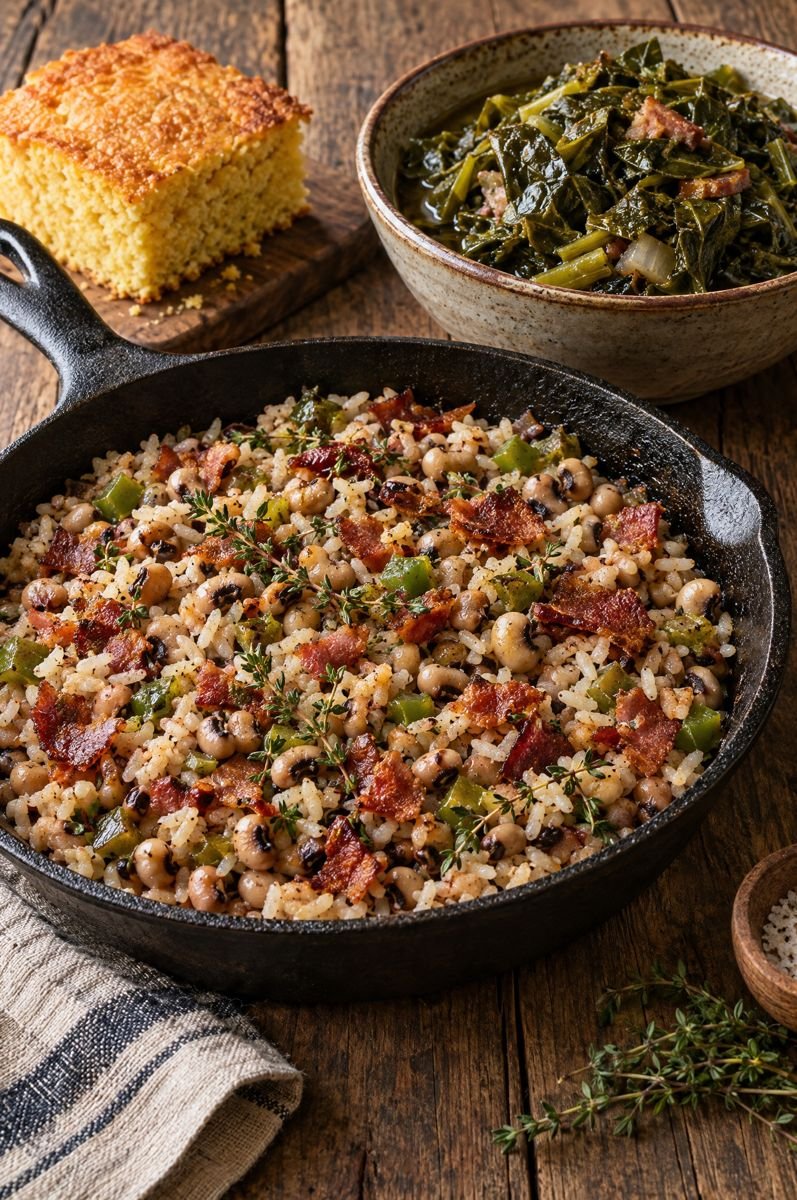
Hoppin' John

Hoppin' John

Serves 6 · Prep 15 min · Cook 1 hr 10 min

Read the recipe

The Lowcountry's New Year's dish, eaten for luck in the year ahead. Black-eyed peas are cooked with smoky bacon and then with rice, so every grain stays separate.

Ingredients
  • 8 oz (225 g) dried black-eyed peas, soaked overnight (optional)
  • 4 strips thick-cut bacon, diced
  • 1 large onion, finely chopped
  • 1 medium green bell pepper, finely chopped
  • 1 celery stalk, finely chopped
  • 2 garlic cloves, minced
  • 1 tsp dried thyme
  • 4 cups (950 ml) chicken stock
  • 1 cup (200 g) long-grain white rice
  • Salt and cayenne pepper
Method
  1. Fry the bacon in a large saucepan over medium heat for about 6 minutes, until crisp. Add the onion, pepper and celery and cook for 5 minutes. Stir in the garlic and thyme for 1 minute.
  2. Add the peas and stock. Bring to a boil, then cover and simmer on low for 40–45 minutes (an hour if unsoaked), until tender.
  3. You need about 2 cups (475 ml) of liquid left to cook the rice; add water if needed. Stir in the rice, cover tightly and cook on low for 20 minutes without lifting the lid.
  4. Rest off the heat, covered, for 5 minutes. Fluff with a fork and season with salt and cayenne.

Cook's note. For the full New Year's table, serve with collard greens (for money) and cornbread (for gold).

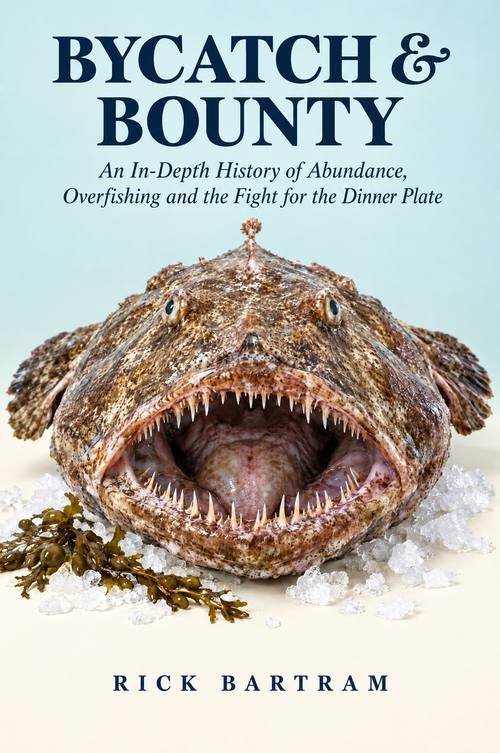
Cover of Bycatch & Bounty
Seafood history and sustainability

Bycatch & Bounty

An In-Depth History of Abundance, Overfishing and the Fight for the Dinner Plate

Monkfish was thrown back for centuries, then became a luxury. The Patagonian toothfish was renamed Chilean sea bass and sold around the world. Cod built fortunes, fed the Atlantic slave trade and collapsed off Newfoundland. This book tells how we fished, farmed and fashioned the sea, and who decided which fish ended up on the plate.

Nine chapters follow the rebranding of "trash fish", chef trends, factory ships and bycatch, fish farming, fishing communities and piracy at sea. Then more than forty modern recipes put the argument on the plate: underused species, fish that came back from collapse, well-farmed shellfish and seaweed, and whole-fish cooking that wastes nothing. Every recipe comes with a sourcing note.

In progress · coming soon
40+ recipesFull colour6 × 9 in9 chapters
Sample recipes
Pan-fried Pacific cod on curried potatoes and cauliflower

Pan-Fried Pacific Cod

with curried fingerling potatoes and cauliflower

Serves 4 · Sauce about 1½ hr · Fish 6 min

Read the recipe

Atlantic cod is the fish whose collapse closed Newfoundland. Its Pacific cousin tells a different story: after a marine heatwave crashed the Gulf of Alaska stock, managers cut quotas and closed the fishery, and within a year the stock had recovered enough to regain its sustainability certificate.

For the curry sauce
  • 1 lb (450 g) yellow onions, roughly chopped
  • 8 garlic cloves (about 1 oz / 28 g)
  • 1 oz (28 g) fresh ginger, peeled and chopped
  • 2¾ cups (650 ml) water
  • ½ cup (120 ml) canned whole tomatoes, blended smooth
  • ¼ cup (60 ml) grapeseed oil
  • ½ tsp each tomato paste, turmeric, paprika and kosher salt
For the dish
  • 4 Pacific cod fillets, 5–6 oz (140–170 g) each, skin on, scaled and pin-boned
  • 1 tbsp grapeseed oil and kosher salt
  • 1½ lb (680 g) fingerling potatoes
  • 1 small cauliflower, in florets
  • ½ tsp ground cumin, 1 tsp garam masala, a pinch of chilli powder
  • 6 cherry tomatoes, halved, and 1 tsp lemon juice
  • Cilantro (coriander) leaves, to finish
Method
  1. Simmer the onions, garlic, ginger and water, covered, for 40 minutes, then blend until very smooth. Cook the oil with the tomato paste, turmeric, paprika and salt over low heat for 10 minutes. Add the tomatoes and onion mixture and simmer for 30 minutes.
  2. Boil the potatoes until just tender, peel while warm and slice into rounds. Blanch the cauliflower for 2 minutes and refresh in iced water.
  3. Pat the fish skin dry and season. Heat the oil in a carbon-steel or cast-iron pan until it just smokes. Cook the fillets skin side down for 1–2 minutes, then lower the heat for 2–3 minutes more until the skin is crisp. Turn and let them finish off the heat.
  4. Heat the sauce with the cumin, garam masala and chilli, add the potatoes and cauliflower, then stir in the tomatoes and lemon juice.
  5. Spoon the vegetables onto plates, set the cod on top skin side up and finish with cilantro.

Sourcing note. Buy Pacific cod (also sold as true cod or gray cod) from MSC-certified Alaskan fisheries caught by longline, pot or jig, and check the current rating. Haddock, hake or pollock loin work in its place.

Mussels in Cider

with leeks and smoked bacon

Serves 4 · Prep 15 min · Cook 12 min

Read the recipe

Rope-grown mussels are one of the most sustainable animal proteins on the planet. They need no feed and clean the water they grow in.

Ingredients
  • 4 lb (1.8 kg) mussels, scrubbed and debearded
  • 4 oz (115 g) smoked bacon, diced
  • 2 leeks, thinly sliced
  • 2 garlic cloves, sliced
  • 1 cup (240 ml) dry hard cider
  • ⅓ cup (80 ml) crème fraîche
  • A handful of chopped parsley
  • Crusty bread or fries, to serve
Method
  1. Discard any mussels with broken shells, and any open ones that do not close when tapped.
  2. Fry the bacon in a large pot until crisp. Add the leeks and garlic and soften for 5 minutes.
  3. Add the cider and mussels, cover and cook over high heat for 4–5 minutes, shaking the pot, until they open. Discard any that stay shut.
  4. Stir in the crème fraîche and parsley and serve with bread for the juices.

Sourcing note. Rope-grown mussels from certified farms in Prince Edward Island, Maine, Scotland, Ireland, Chile or New Zealand are widely rated a best choice.

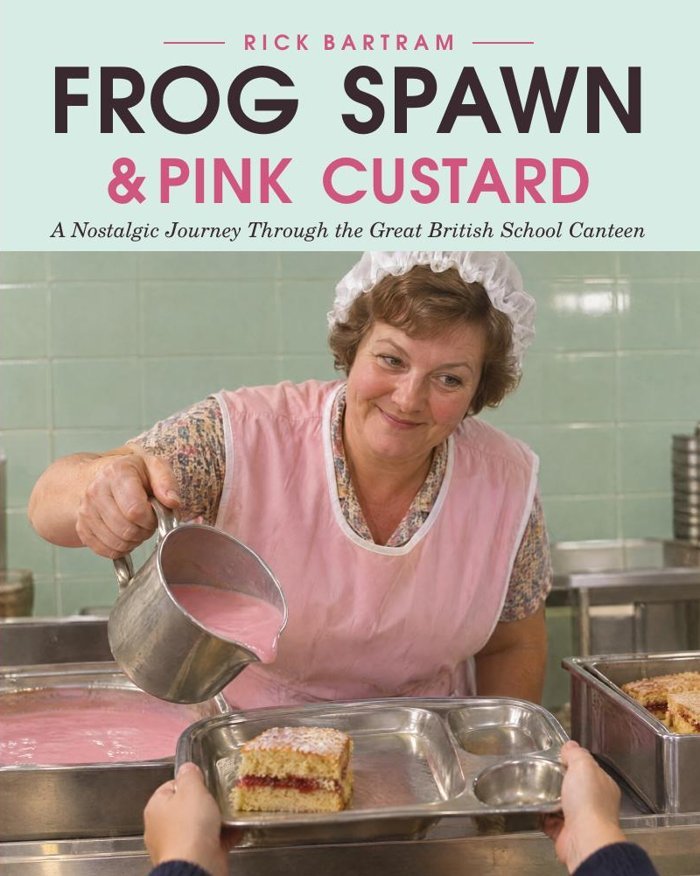
Cover of Frog Spawn & Pink Custard
The British school canteen

Frog Spawn & Pink Custard

A Nostalgic Journey Through the Great British School Canteen

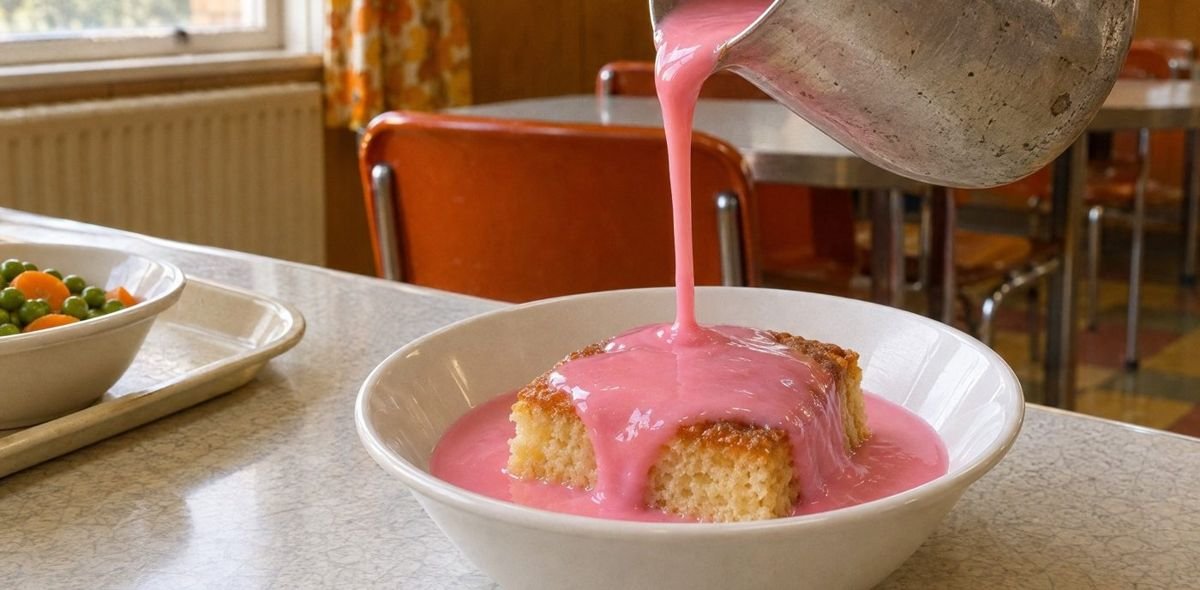
Chocolate concrete, jam roly-poly, tapioca "frog spawn" and neon-pink custard. For generations of British children, the school canteen was a place of stainless-steel hatches, compartment trays and dinner ladies in pastel nylon tabards who fed hundreds of pupils on a shoestring.

The book tells the story of the school dinner from the 1906 Act that first fed hungry pupils to its golden age in the 1970s, then brings the best-loved dishes back to the family table: meat pies and mince, Friday fish and chips, mash and gravy, steamed puddings, tarts, traybakes and, of course, the custard jug.

Paperback coming soon
Full colour8 × 10 inServes 4–6 throughout
Sample recipes
Pink custard poured over sponge

Pink Custard

and classic yellow custard

Serves 6 · 10 min

Read the recipe

A generous splash of red colouring turned plain vanilla custard a fierce neon pink. It defied nature, it delighted children, and it became the defining memory of a generation.

Ingredients
  • 4 tbsp custard powder (such as Bird's)
  • 3 tbsp caster sugar
  • 850 ml / 1½ pints whole milk
  • A few drops pink or red food colouring (leave out for yellow custard)
Method
  1. Whisk the custard powder, sugar and 3–4 tablespoons of the cold milk into a smooth paste. Stir in the colouring if making pink custard.
  2. Bring the rest of the milk to a gentle simmer. Pour in the paste, whisking constantly, and bring back to the boil as it thickens. Simmer for 1 minute until glossy.

Drowning or a lake? For the true hatch experience, let the custard stand for a few minutes so a skin forms, then pour it over the pudding (drowning) or around it (a lake).

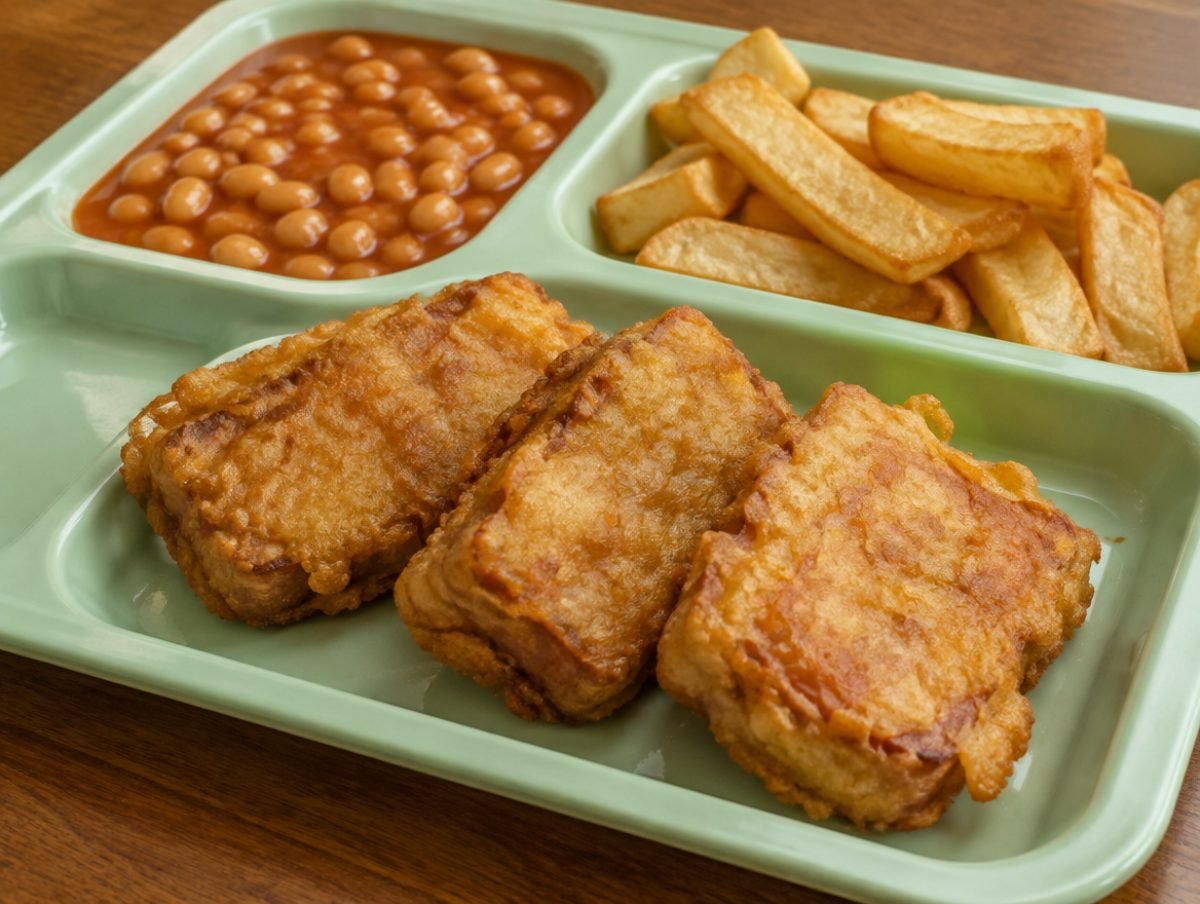
Spam fritters with baked beans and chips on a school dinner tray

Spam Fritters

battered, golden, with beans and chips

Serves 4 · 20 min

Read the recipe

Thick slices of tinned luncheon meat dipped in batter and fried until puffed and golden. A wartime ration standby that stayed on the canteen menu for decades, nearly always with baked beans and chips.

Ingredients
  • 1 × 340 g / 12 oz tin Spam or pork luncheon meat
  • 115 g / 4 oz self-raising flour, plus 1 tbsp for dusting
  • Pinch of salt
  • 1 large egg
  • 150 ml / ¼ pint cold milk
  • Vegetable oil for shallow frying
  • To serve: baked beans, chips or mash
Method
  1. Whisk the flour, salt, egg and milk into a smooth, thick batter that coats the back of a spoon. Rest for 10 minutes.
  2. Cut the meat into 8 slices about 1 cm thick. Pat them dry and dust with flour so the batter clings.
  3. Heat 1 cm of oil in a large frying pan to 180°C / 350°F, until a drop of batter sizzles straight away.
  4. Dip the slices in the batter, let the excess drip off, and fry for 2–3 minutes a side until puffed and golden. Drain on kitchen paper.
  5. Serve hot with beans and chips.
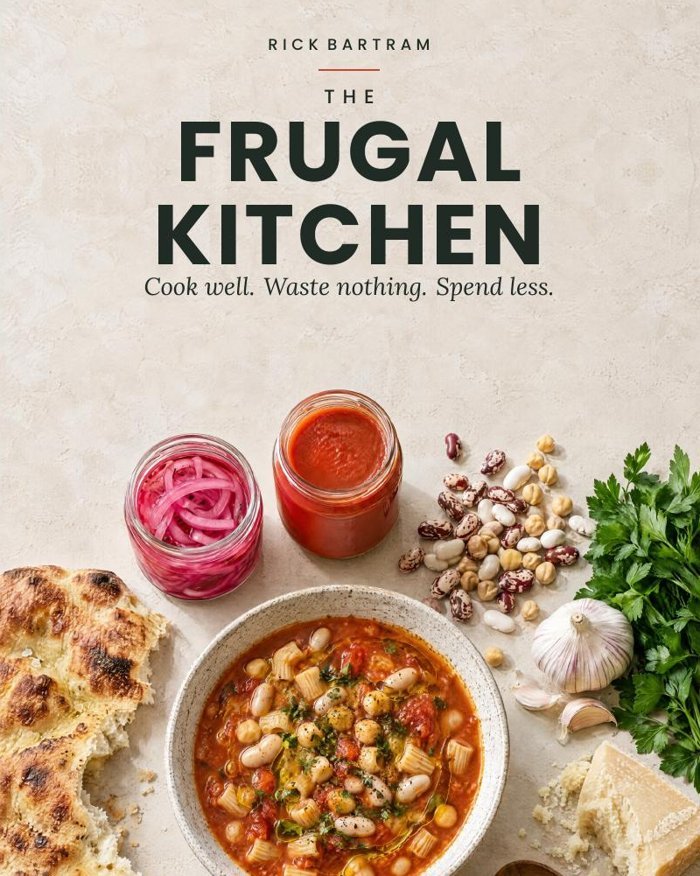
Cover of The Frugal Kitchen
Thrift and no-waste cooking

The Frugal Kitchen

Cook Well, Waste Nothing, Spend Less

There was a time when being economical in the kitchen was simply how people cooked. A chicken was dinner, then sandwiches, then curry, then a pot of stock. Stale bread became crumbs or pudding, and the dripping was saved.

This book brings those skills back: how to read a bargain, save fat and trimmings for flavor, put pickle brine and cheese rinds to work, and keep flatbread dough in the fridge instead of heating the oven. More than thirty recipes, from Serbian bean stew and Nonna's meatballs to flour-and-water pasta and a white ragù.

Paperback coming soon
122 pages8 × 10 inMetric and US measures
Sample recipes
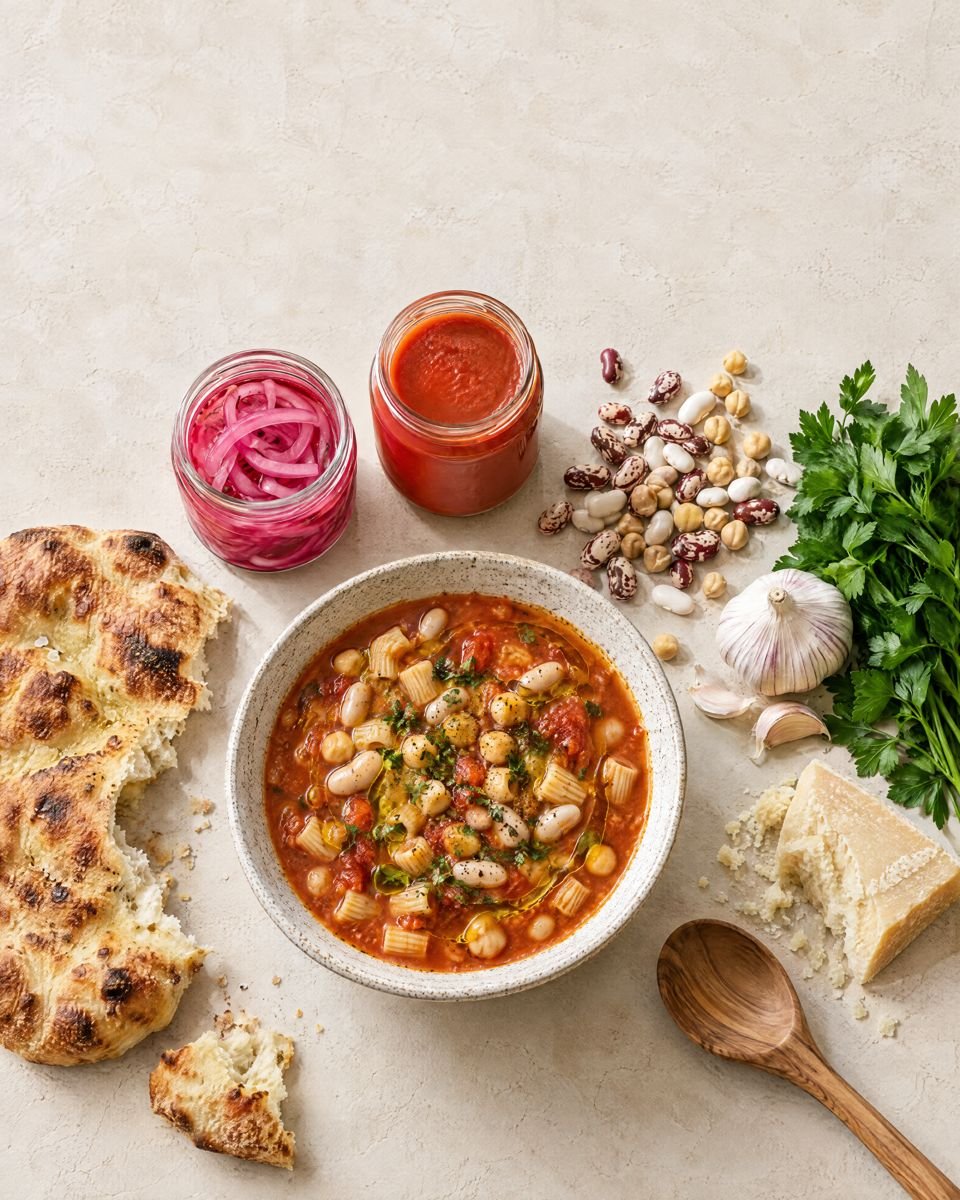
Serbian bean stew with flatbread

Pasulj

Serbian-style bean stew

Serves 4–6 · Soak overnight · Cook about 2½ hr

Read the recipe

A hearty Balkan bean stew, especially good for using up smoked pork, ham hocks or leftover cooked meat. Paprika and garlic give it most of its character.

Ingredients
  • 500 g / 1 lb 2 oz dried white beans (cannellini, Great Northern or navy)
  • 1.5 liters / 6 cups water or stock
  • 1 smoked ham hock (500–700 g / 1–1½ lb), or 300 g / 10 oz smoked ribs or leftover ham
  • 2 tbsp saved pork or bacon fat, or vegetable oil
  • 1 large onion, finely chopped
  • 2 carrots, diced
  • 3 garlic cloves, minced
  • 2 tbsp sweet paprika, plus 1 tsp smoked paprika (optional)
  • 2 bay leaves and 1 tsp dried thyme
  • ½ tsp black pepper
  • 400 g / 14 oz can chopped tomatoes
  • 1 tbsp all-purpose flour whisked into 120 ml / ½ cup cold water
  • Salt, and chopped parsley to serve
Method
  1. Soak the beans for 8–12 hours, then drain and rinse.
  2. Simmer the beans with the ham hock in the water or stock for 60–90 minutes, skimming any foam, until beginning to soften.
  3. Meanwhile, soften the onion and carrots in the fat for 7–10 minutes, then add the garlic for a minute. Take the pan off the heat and stir in the paprika so it doesn't burn.
  4. Add the onion mixture, tomatoes, bay, thyme and pepper to the beans. Simmer for 45–60 minutes more, until the beans are completely tender.
  5. Stir in the flour mixture and simmer for 10–15 minutes to thicken slightly.
  6. Pick the meat from the hock and return it to the pot. Remove the bay leaves, season with salt and scatter with parsley.

Cook's note. Pasulj is often better the next day. A tablespoon of pickle brine stirred in at the end brightens the flavor.

Thrifty Savory Bread Pudding

Serves 4–6 · Soak 15 min · Bake 35–45 min

Read the recipe

A use-it-up meal. Stale bread is the main ingredient, while leftover vegetables, scraps of cooked meat, herbs and a little saved fat make it hearty.

Ingredients
  • 300–400 g / 10–14 oz stale bread, torn into chunks
  • 2 tbsp saved beef, pork, bacon or chicken fat, plus extra for the dish
  • 1 onion, finely chopped
  • 2 carrots, grated or finely diced
  • 1–2 celery stalks, finely chopped (optional)
  • 150–200 g / 5–7 oz leftover cooked meat, chopped (optional)
  • 6 large eggs
  • 500 ml / 2 cups milk
  • 100 g / 1 cup grated cheese (optional)
  • 1 tsp dried thyme or mixed herbs, ½ tsp black pepper, salt
Method
  1. Put the bread in a large bowl. If it is very dry, sprinkle with a little water.
  2. Cook the onion, carrots and celery in the fat for 8–10 minutes, until soft. Add any meat and let it crisp a little.
  3. Whisk the eggs, milk, herbs, pepper and a little salt. Toss everything with the bread and leave for 10–15 minutes to soak.
  4. Heat the oven to 180°C / 350°F. Stir in two-thirds of the cheese and spoon into a greased 2-liter / 2-quart dish. Top with the rest of the cheese.
  5. Bake for 35–45 minutes, until puffed, golden and set. Rest for 10 minutes before cutting.
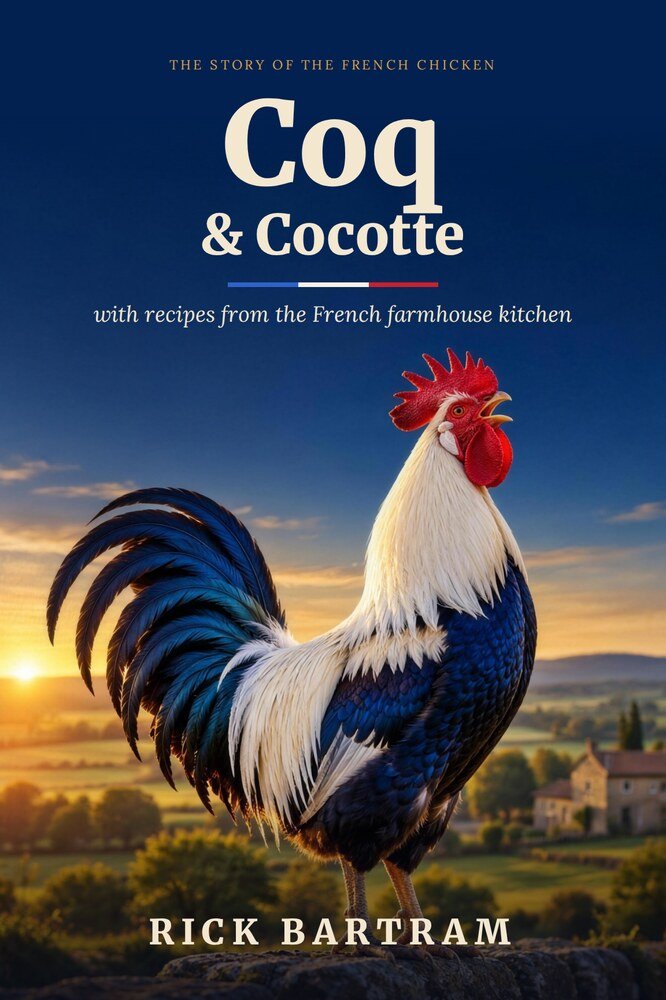
Cover of Coq & Cocotte
The French farmhouse chicken

Coq & Cocotte

The Story of the French Chicken, with Recipes

“A hen in every pot.” Henri IV promised that no labourer in his kingdom would lack the means to put a chicken in the pot on Sunday, and the chicken has been at the heart of French country cooking ever since. This book follows the bird from the farmyard kept by the farmer’s wife to the proud coq gaulois of the national emblem, the mothers of Lyon and the tables of Paris.

It explains the French way of naming and grading poultry, from fermier and Label Rouge to the blue-legged birds of Bresse, then takes you into the farmhouse kitchen with 32 classic recipes: coq au vin, coq au riesling, poulet chasseur, poulet aux écrevisses, basquaise, confit, paillard and the Sunday roast, with illustrated butchery and trussing.

Paperback coming soon
84 pagesFull colour6 × 9 in13 chapters
Sample recipes
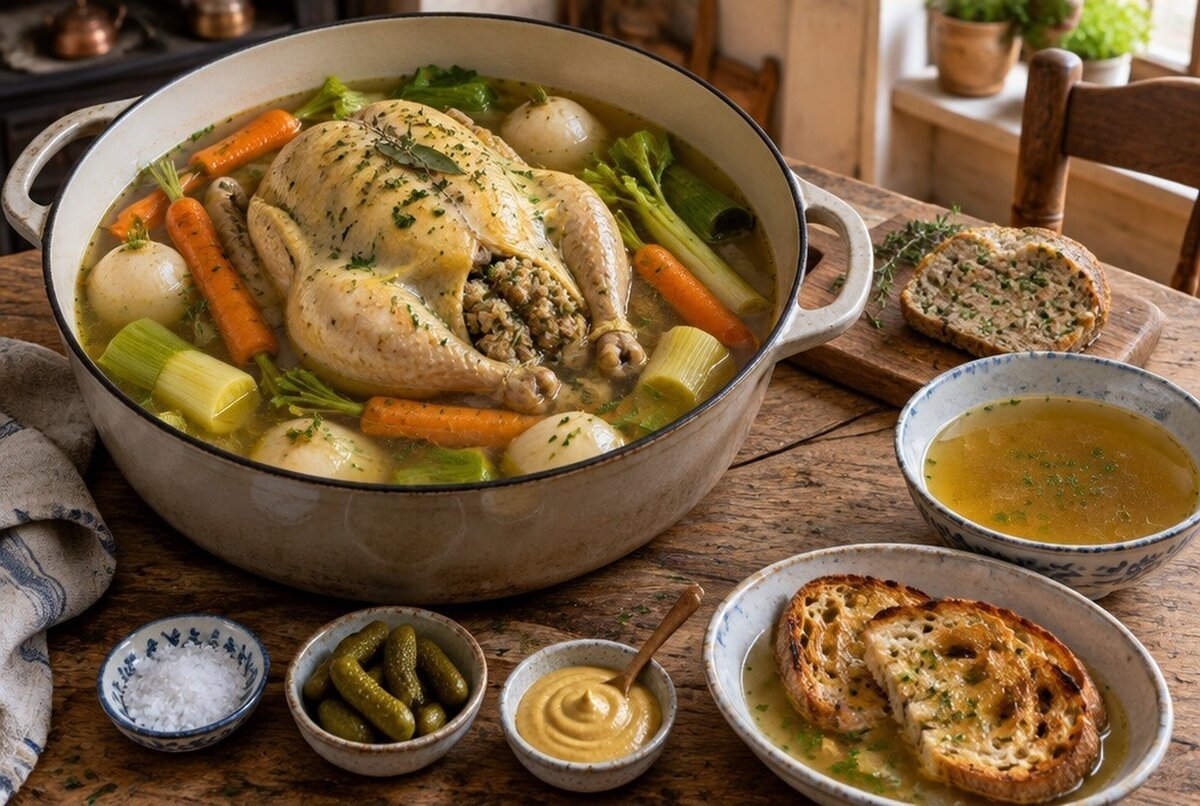
Poule au pot with vegetables and broth

Poule au pot Henri IV

Serves 6 · Prep 45 min · Cook 3 hr

Read the recipe

The dish of the royal promise, cooked the way it is still made in Béarn: a hen stuffed with bread, ham, liver and herbs, simmered with winter vegetables, and served as two courses, first the broth, then the meat.

Ingredients

For the stuffing

  • 150 g (5½ oz) stale white bread, crusts removed
  • 150 ml (5 fl oz) milk
  • 1 chicken liver, trimmed and chopped
  • 100 g (3½ oz) Bayonne or other air-dried ham, finely chopped
  • 150 g (5½ oz) minced pork or good sausage meat
  • 2 garlic cloves and 1 shallot, finely chopped
  • 3 tbsp chopped flat-leaf parsley
  • 1 egg, beaten
  • ½ tsp salt, plenty of black pepper and a pinch of nutmeg

For the pot

  • 1 boiling hen, about 2 kg (4 lb 8 oz), or a large free-range chicken
  • 3 litres (5¼ pints) white chicken stock or water
  • 1 onion stuck with 2 cloves, 1 bouquet garni, 1 tsp coarse salt
  • 6 carrots, 6 small turnips, 4 leeks (tied in a bundle), 3 celery sticks
  • 1 small green cabbage, quartered (optional)
  • To serve: toasted country bread, coarse salt, cornichons and Dijon mustard
Method
  1. Soak the bread in the milk for 10 minutes, squeeze it dry and crumble it into a bowl. Mix in all the remaining stuffing ingredients.
  2. Season the inside of the hen, pack the stuffing loosely into the cavity, close the opening and truss the bird.
  3. Put the hen in a large pot with the stock, onion, bouquet garni and salt. Bring slowly to the boil, skimming, then simmer barely trembling, half covered, for 2 hours for a hen (1 hour 15 minutes for a young chicken).
  4. Add the carrots, turnips, leeks and celery and simmer 45 minutes more, adding the cabbage for the last 20 minutes.
  5. Lift out the hen and vegetables and keep warm. Skim the broth and taste for salt.
  6. Serve the broth first, ladled over the toasted bread. Then carve the hen, slice the stuffing and serve with the vegetables, coarse salt, cornichons and mustard.

Cook's note. The stuffing must reach 75°C (167°F) at the centre, so pack it loosely. Leftover broth makes an excellent soup with vermicelli the next day.

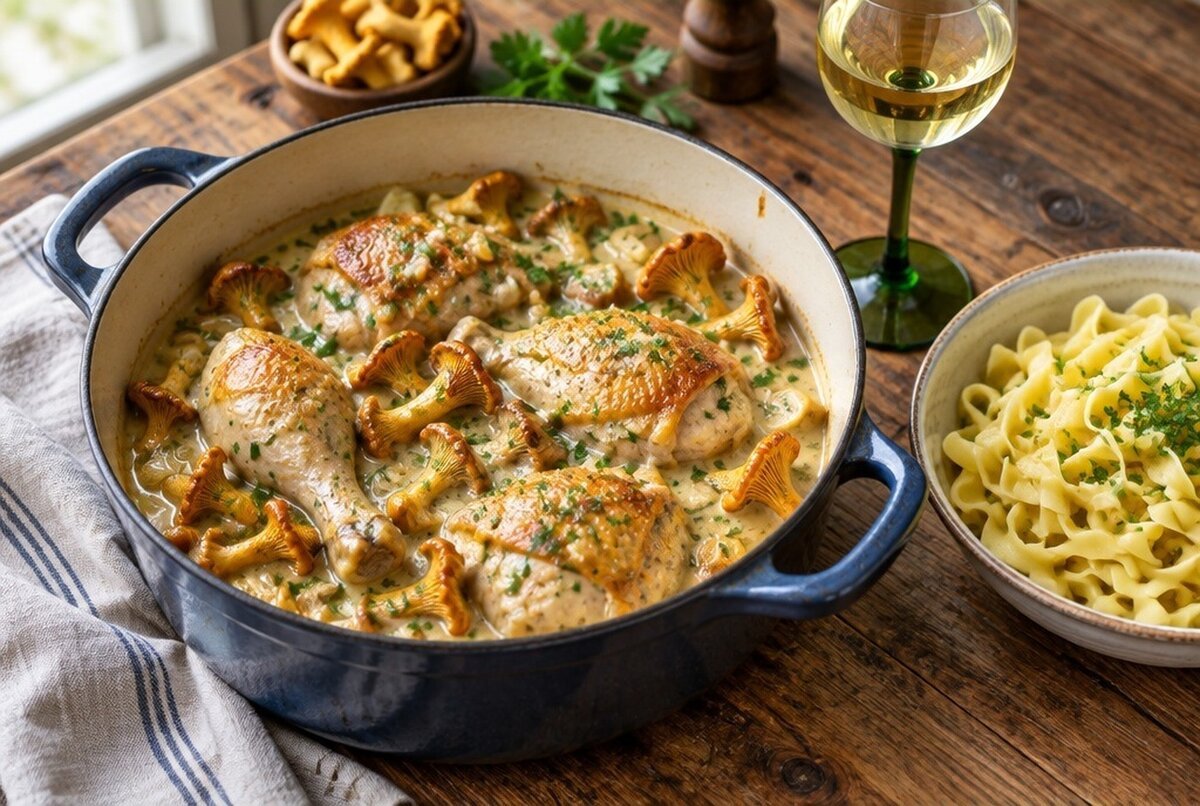
Coq au riesling with noodles

Coq au riesling

Serves 4–6 · Prep 20 min · Cook 1 hr

Read the recipe

The Alsatian cousin of coq au vin, pale and fragrant: shallots instead of onions, dry Riesling instead of red wine, and cream to finish.

Ingredients
  • 1 free-range chicken, about 1.8 kg (4 lb), cut into 8 pieces
  • 40 g (1½ oz) butter and 1 tbsp vegetable oil
  • 4 shallots, finely chopped
  • 2 tbsp Cognac or eau-de-vie
  • 500 ml (18 fl oz) dry Alsace Riesling
  • 200 ml (7 fl oz) white chicken stock
  • 1 bouquet garni
  • 250 g (9 oz) button mushrooms or chanterelles
  • 200 ml (7 fl oz) crème fraîche
  • 1 egg yolk (optional), a squeeze of lemon, salt, white pepper and parsley
Method
  1. Season the chicken. Heat 25 g (1 oz) of the butter with the oil and cook the pieces over a medium heat until golden but not deeply browned. Remove.
  2. Soften the shallots for 3 minutes. Return the chicken, add the Cognac and let it bubble, then add the Riesling, stock and bouquet garni.
  3. Cover and simmer gently for 35 minutes, until tender. Lift out the chicken and keep warm.
  4. Fry the mushrooms in the remaining butter. Reduce the cooking liquid by half, stir in the crème fraîche and simmer until it lightly coats a spoon.
  5. For a richer sauce, whisk the yolk with a little hot sauce and stir it in off the heat; do not boil again. Season with lemon, salt and white pepper.
  6. Return the chicken and mushrooms, warm through and scatter with parsley. Serve with fresh egg noodles or spätzle.
About Rick

From the kitchen to the archive

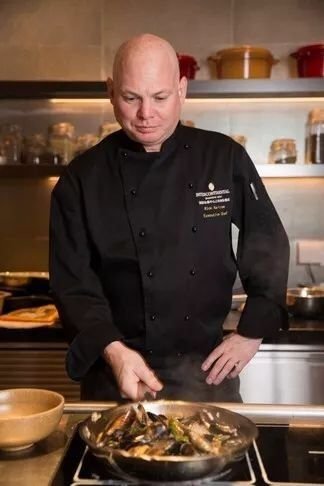
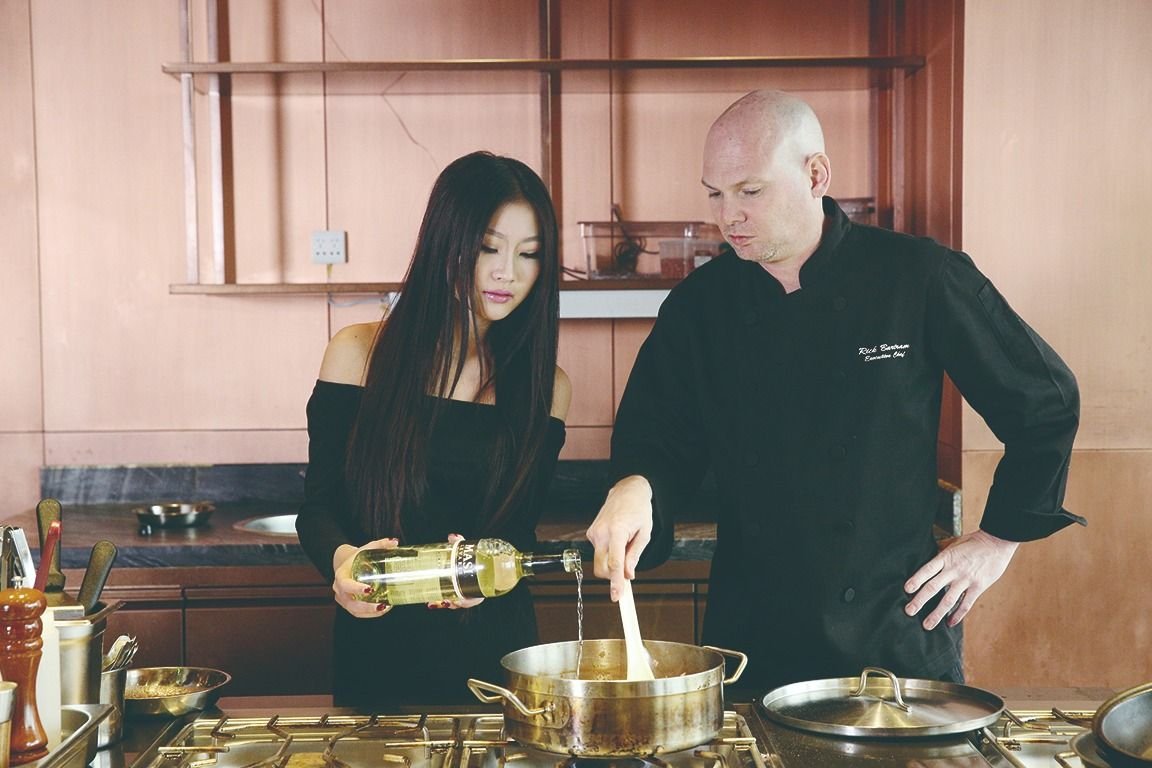
Rick Bartram cooking at the stove Rick Bartram cooking on stage

Rick Bartram is an English-born executive chef, consultant, writer and food historian. He trained at Westminster College in London and spent the next three decades in luxury hotel and resort kitchens and cruise galleys, including seven years in China.

Every dish carries evidence of a place, a people and the circumstances that shaped how it was made.

Running kitchens on four continents showed him that recipes change for practical reasons: what arrives at the loading dock, what a budget allows, who is cooking and who is eating. That same discipline sits behind his consulting work on cost, safety and menus.

He grew up in Britain in the 1970s and 1980s, at the height of the high-street curry boom and the school-dinner hatch. Those kitchens and the people who ran them are the subject of his books, written to record food heritage accurately before it is simplified or lost.

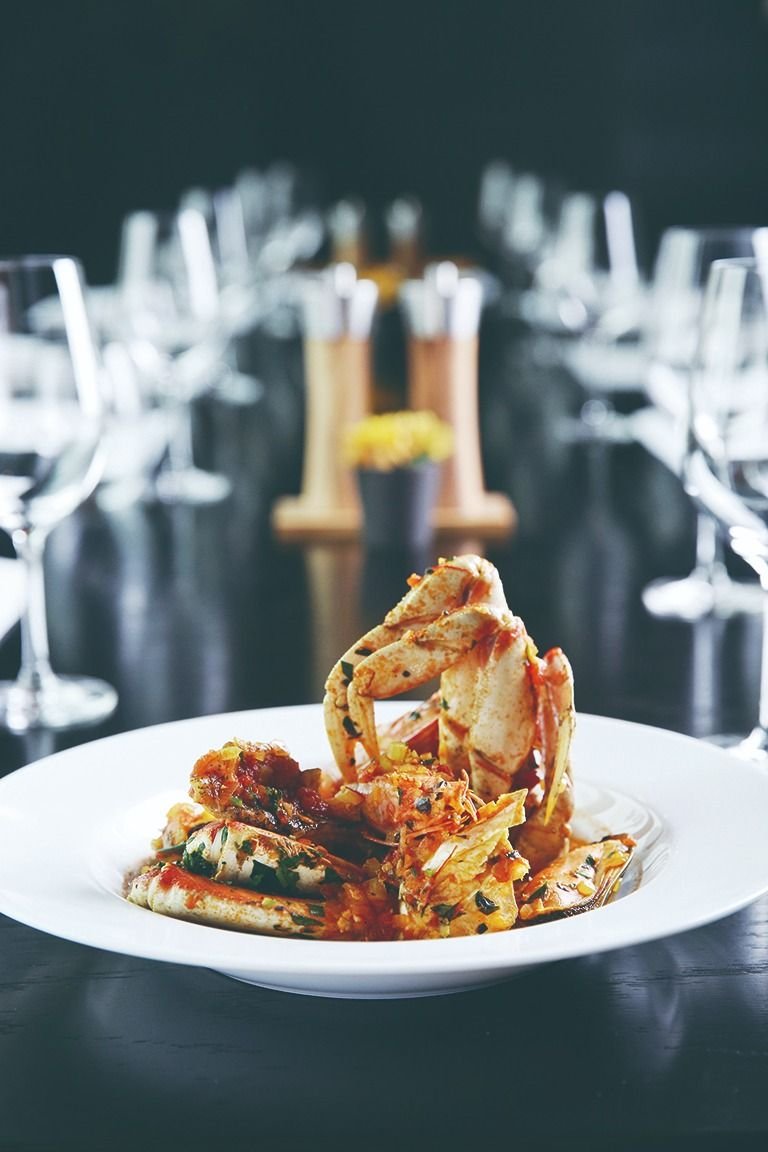
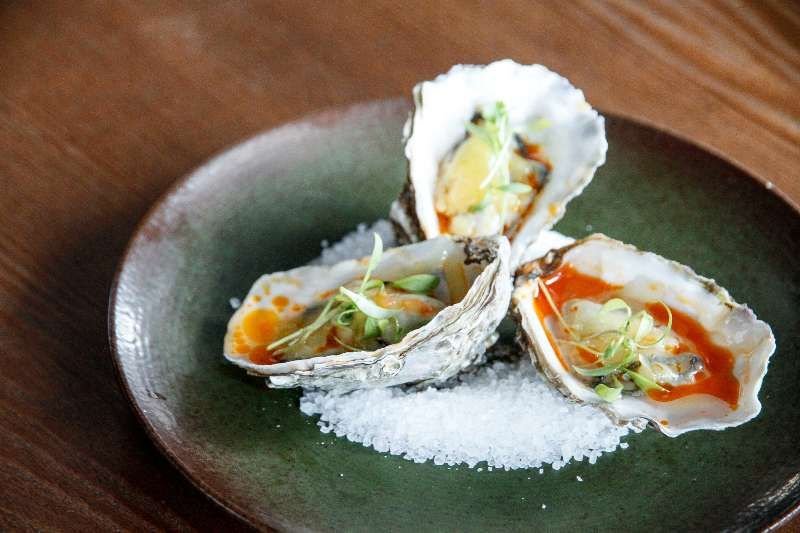
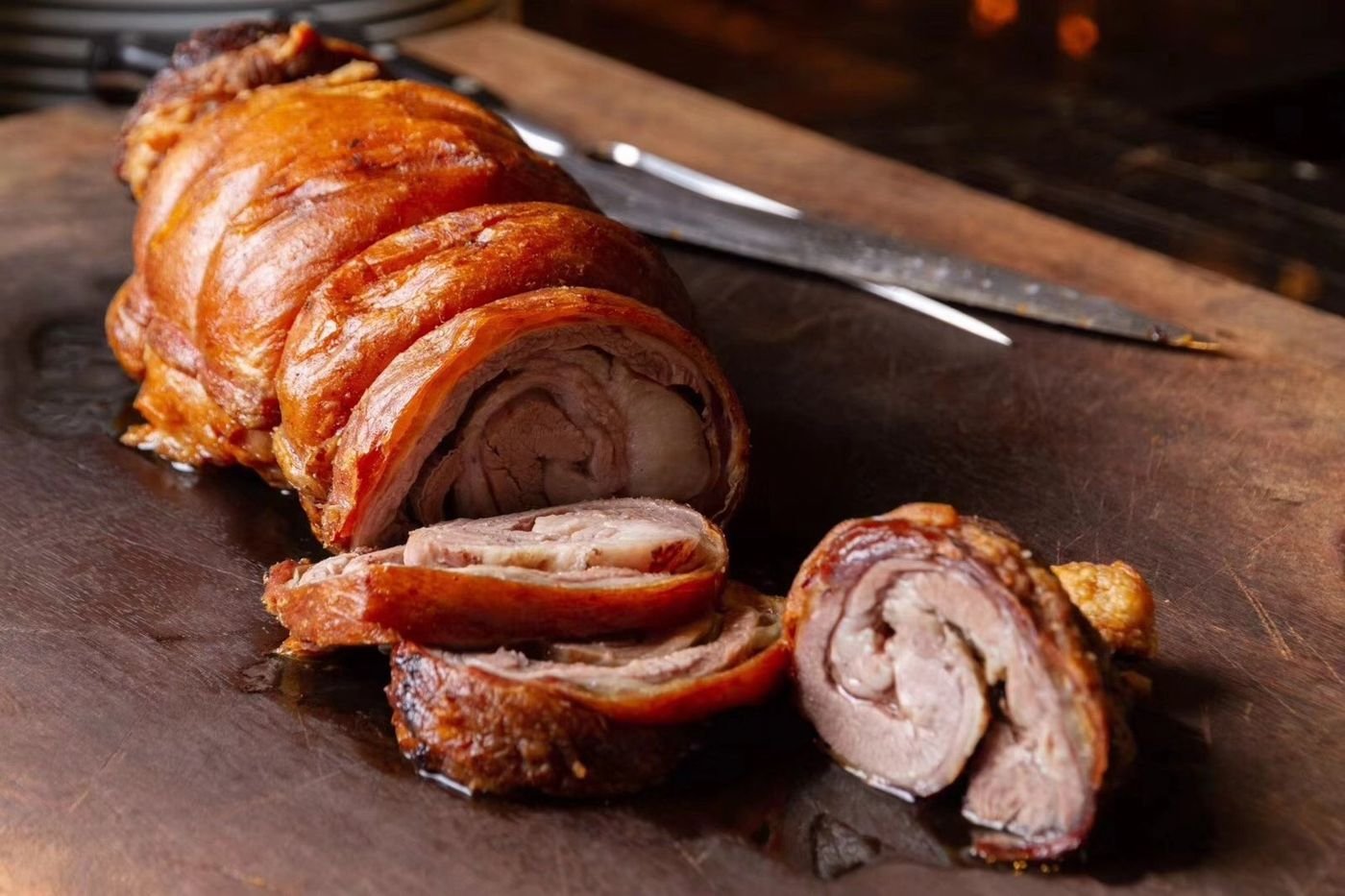
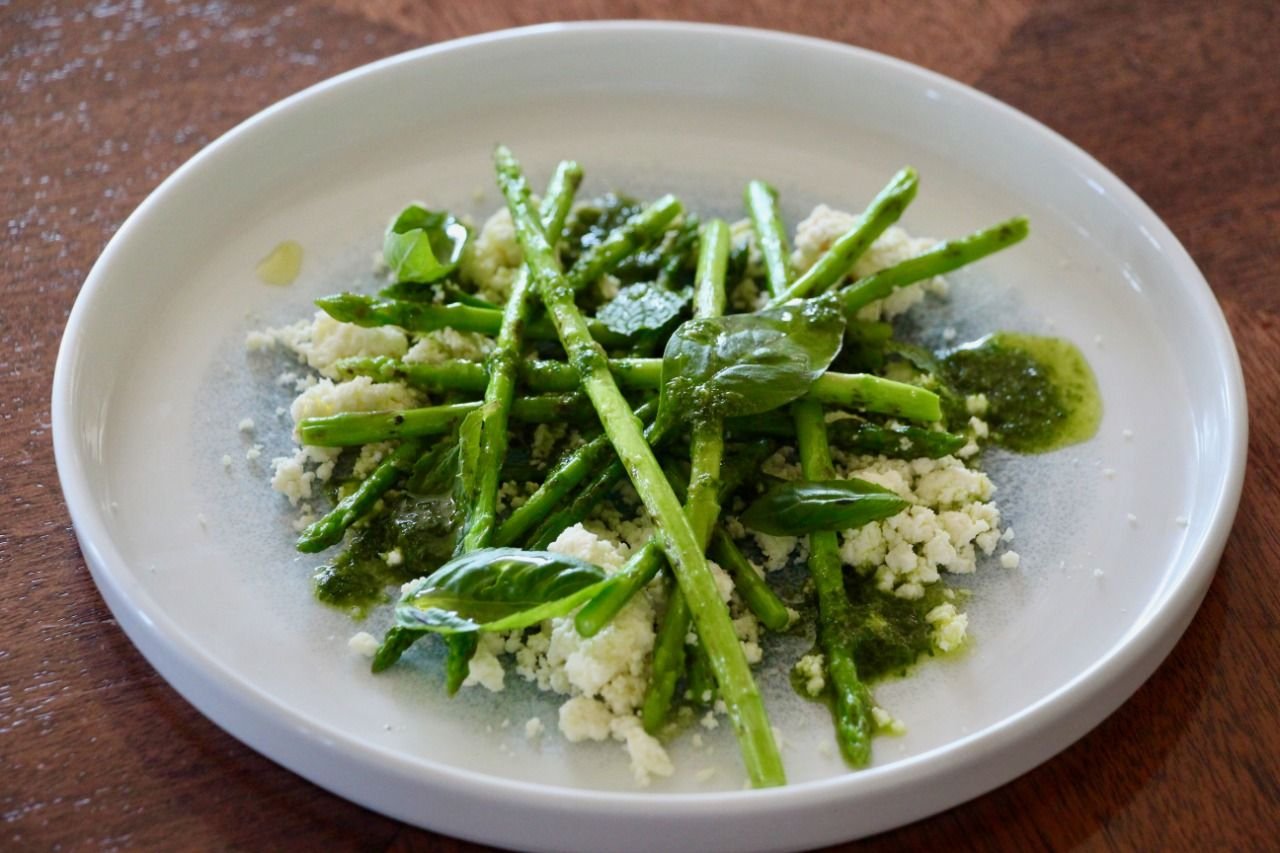
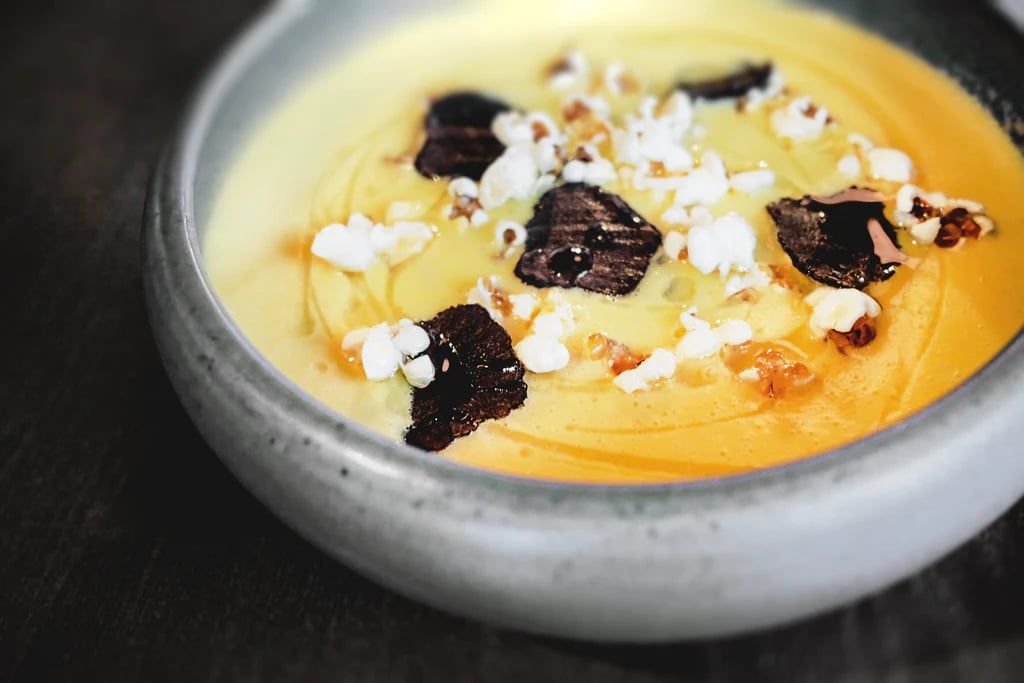
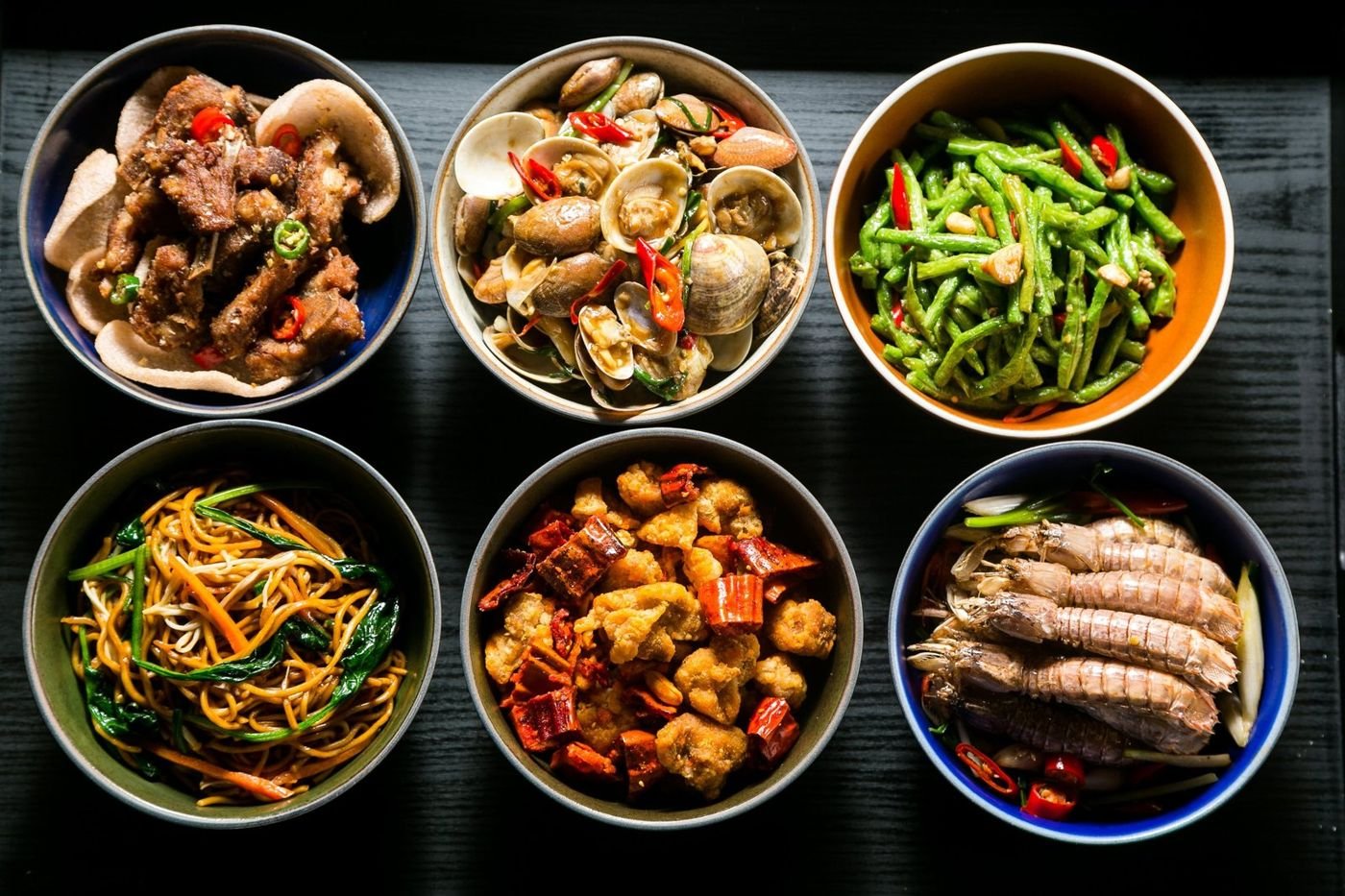
San Francisco cioppino Baked oysters with smoked paprika and Manchego Porchetta Grilled asparagus with house ricotta and salsa verde Fresh corn soup with truffle popcorn Signature Chinese dishes
Recognition

Awards, media and speaking

Awards are a team effort. These are the kitchens, events and features Rick has been proud to lead or take part in. He is available for talks, demonstrations and interviews.

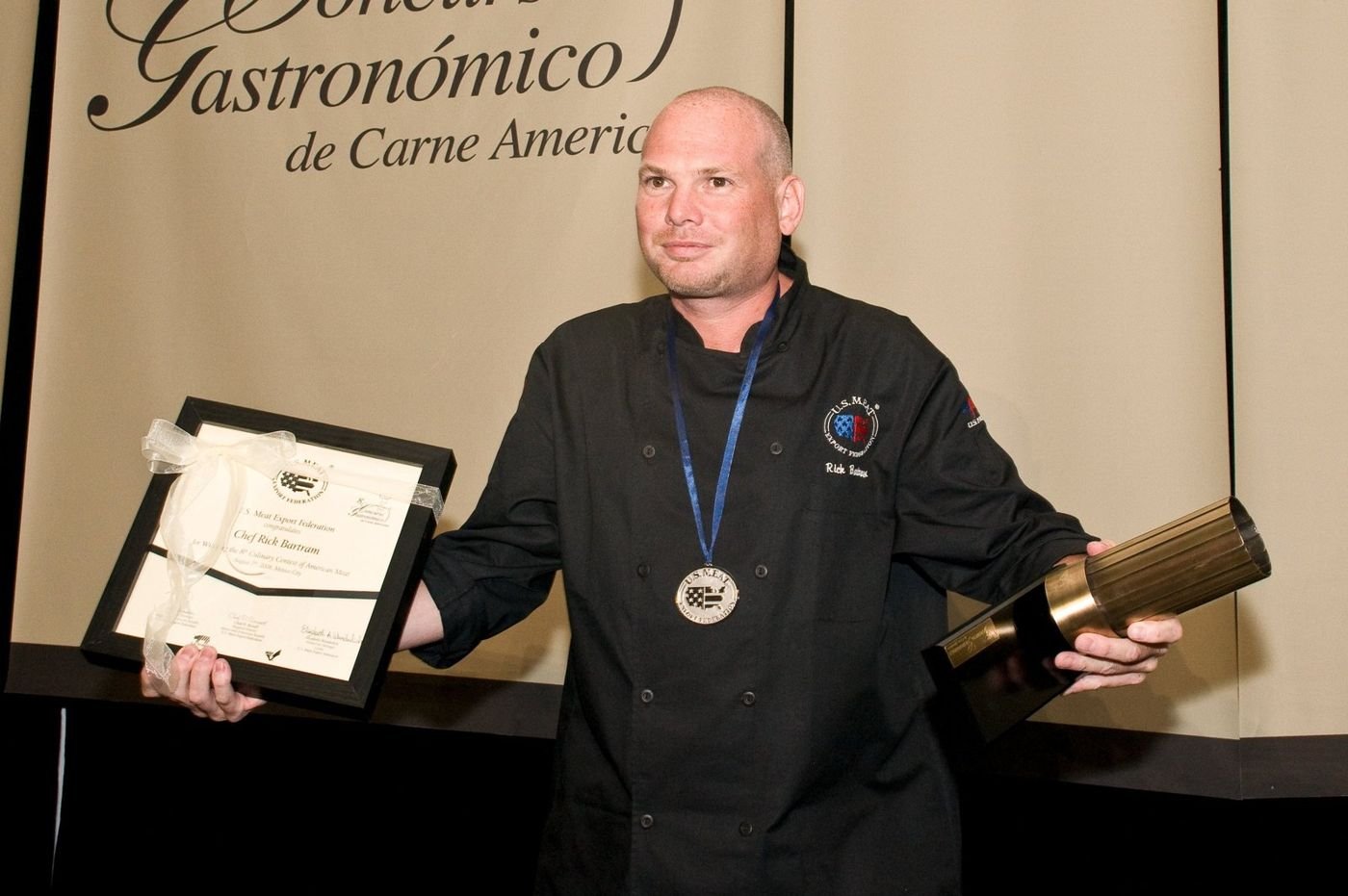
Rick Bartram receiving an award in Mexico City
USMEF Caribbean cook-offWinner, Mexico City, 2008
Rick Bartram at the City Weekend Hotel Awards
City Weekend Hotel Awards 2017Outstanding Hotel Buffet, InterContinental Shanghai NECC
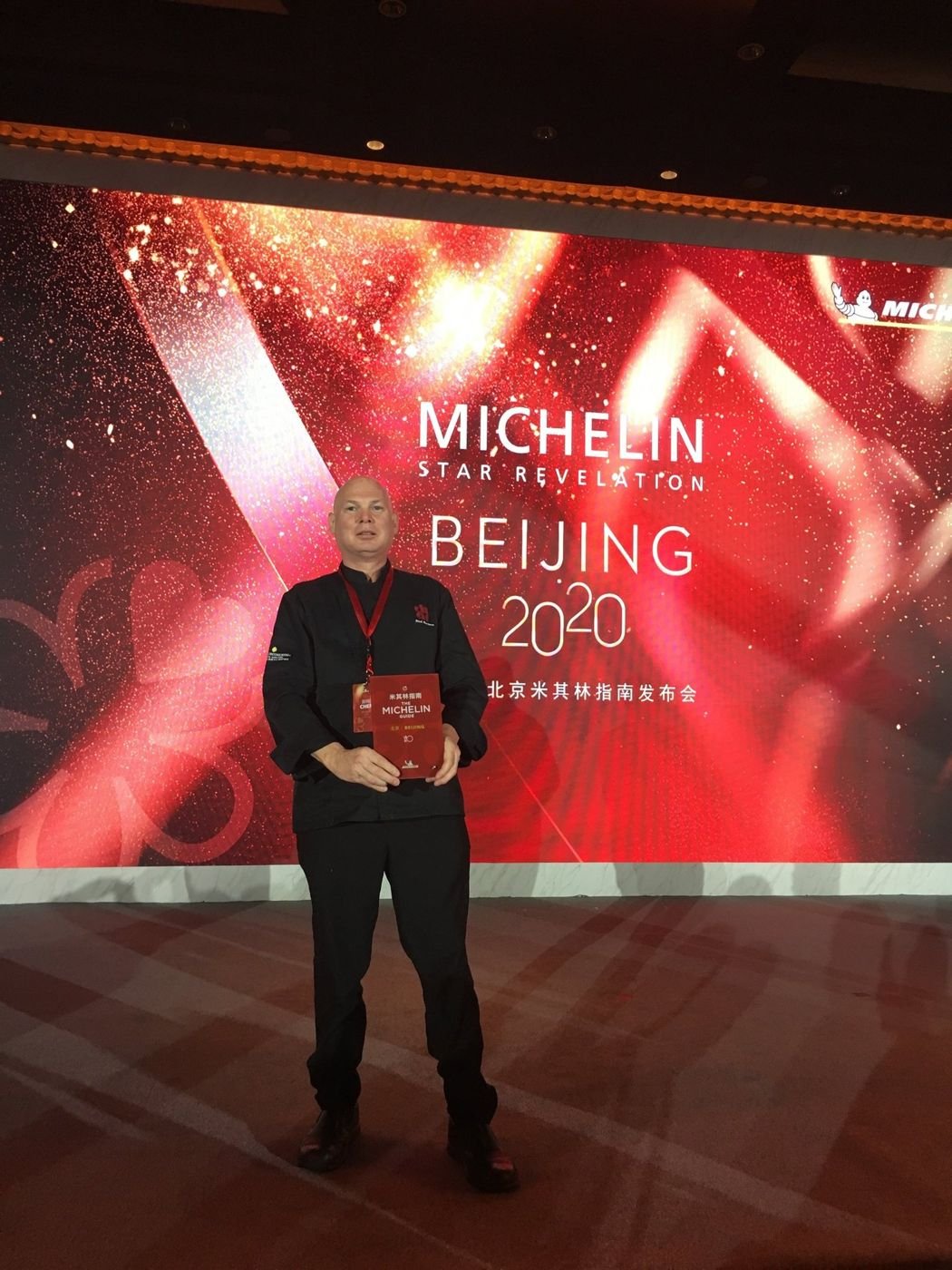
Rick Bartram at the Michelin Guide Beijing launch
Michelin Guide Beijing 2020Char, InterContinental Beijing Sanlitun
Rick Bartram cooking cioppino for Boss Style Magazine
Boss Style MagazineSan Francisco cioppino with local seafood, Wuhan

Awards

  • Michelin Plate, Black Pearl and Beijing Dining CityChar, InterContinental Beijing Sanlitun
  • Best Bermuda Chowder, 2008 and 2009Mandarin Oriental Elbow Beach
  • USMEF Caribbean cook-off winnerMexico City, 2008
  • Best New Opening Hotel, MICE Hotel of the Year and moreHotel awards during Rick's tenure, InterContinental Shanghai NECC

Media and speaking

  • Lufthansa Star ChefsFirst and Business Class menus
  • Dining Around with Gene BurnsNational radio interview, San Francisco
  • What's Cooking BermudaTelevision cooking appearances
  • WHTV6 Wuhan city television
  • Guest lecturer and instructorCulinary institute, Wuhan
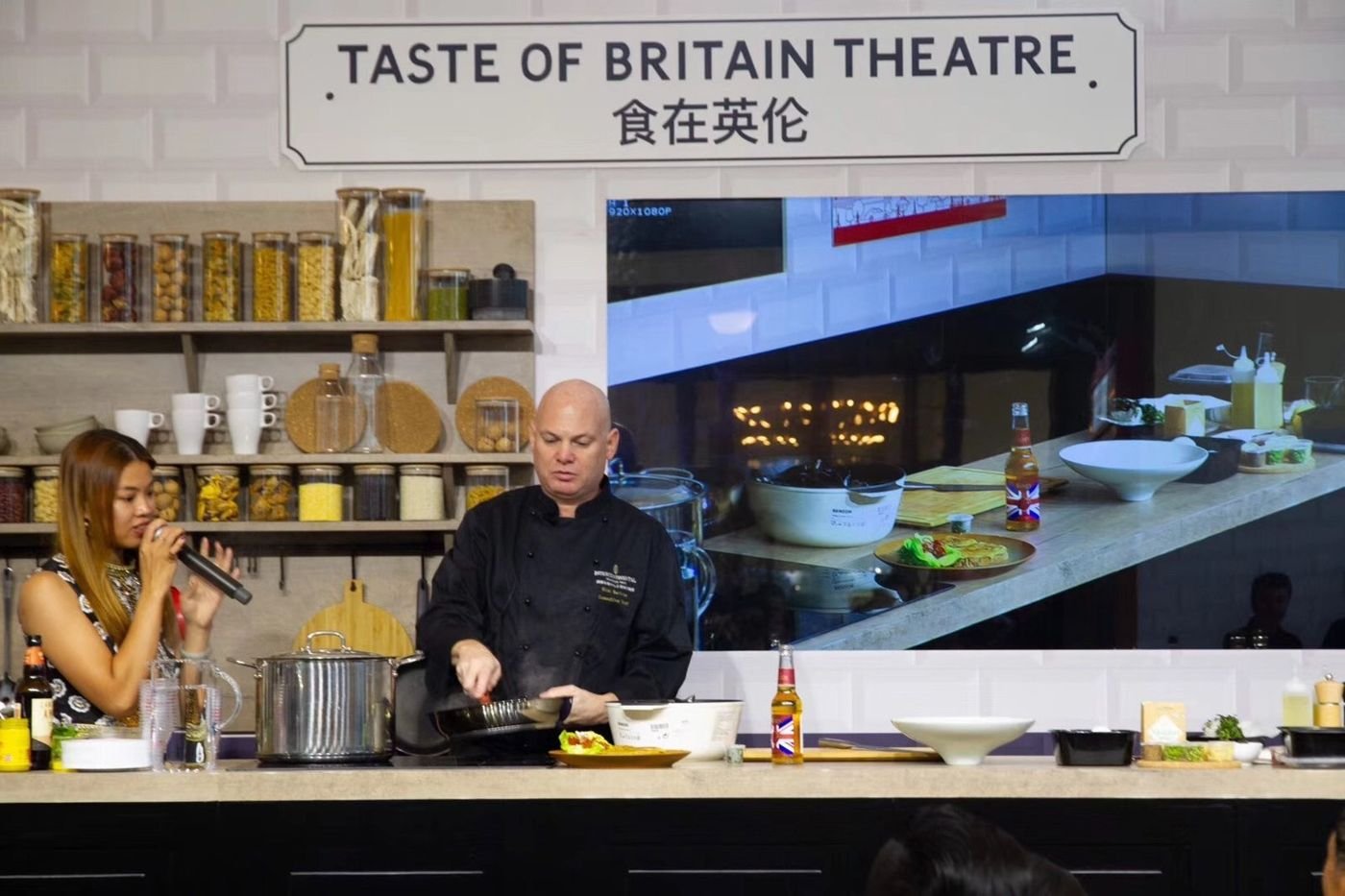
  • Taste of Britain TheatreLive demonstrations, Best of British, Shanghai

In print

Enquiries

Let's talk about your kitchen

Rick is available for consulting projects, pre-openings, mystery shopping, menu development, talks and publishing enquiries. Send a short note about your property and what you need.

Food cost controlHACCPNew openingsMenu developmentMystery shoppingSpeakingBooks
Email
rickbartram@chefrickbartram.com
Phone
+1 415 860 3789
Based
San Francisco, available worldwide
Email Rick